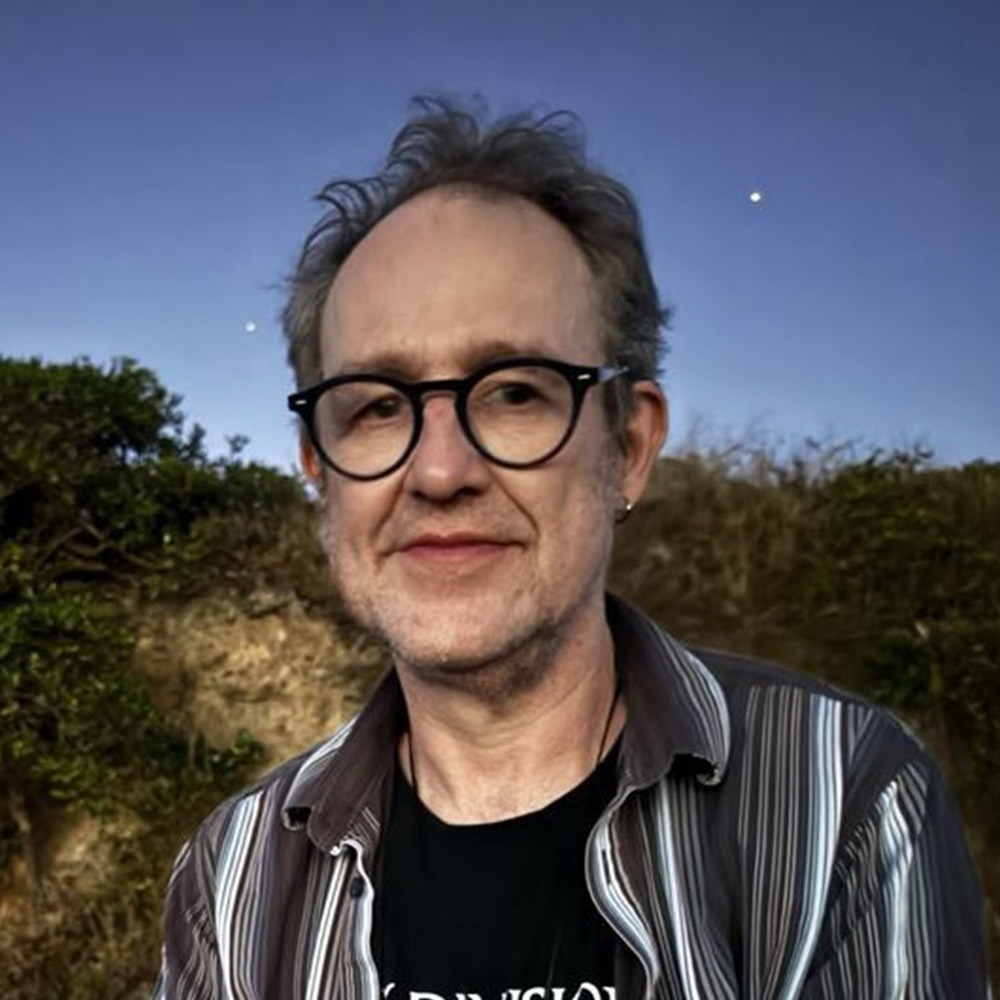
Dr Martin Patrick

Dr Martin Patrick

Associate Professor Whiti o Rehua School of Art

Dr Martin Patrick is an art critic, historian, and writer on contemporary visual art, performance, and cultural theory. He is a regular contributor to a wide variety of international publications. Martin’s research involves critically engaged writing on interdisciplinary practices and experimental uses of media.


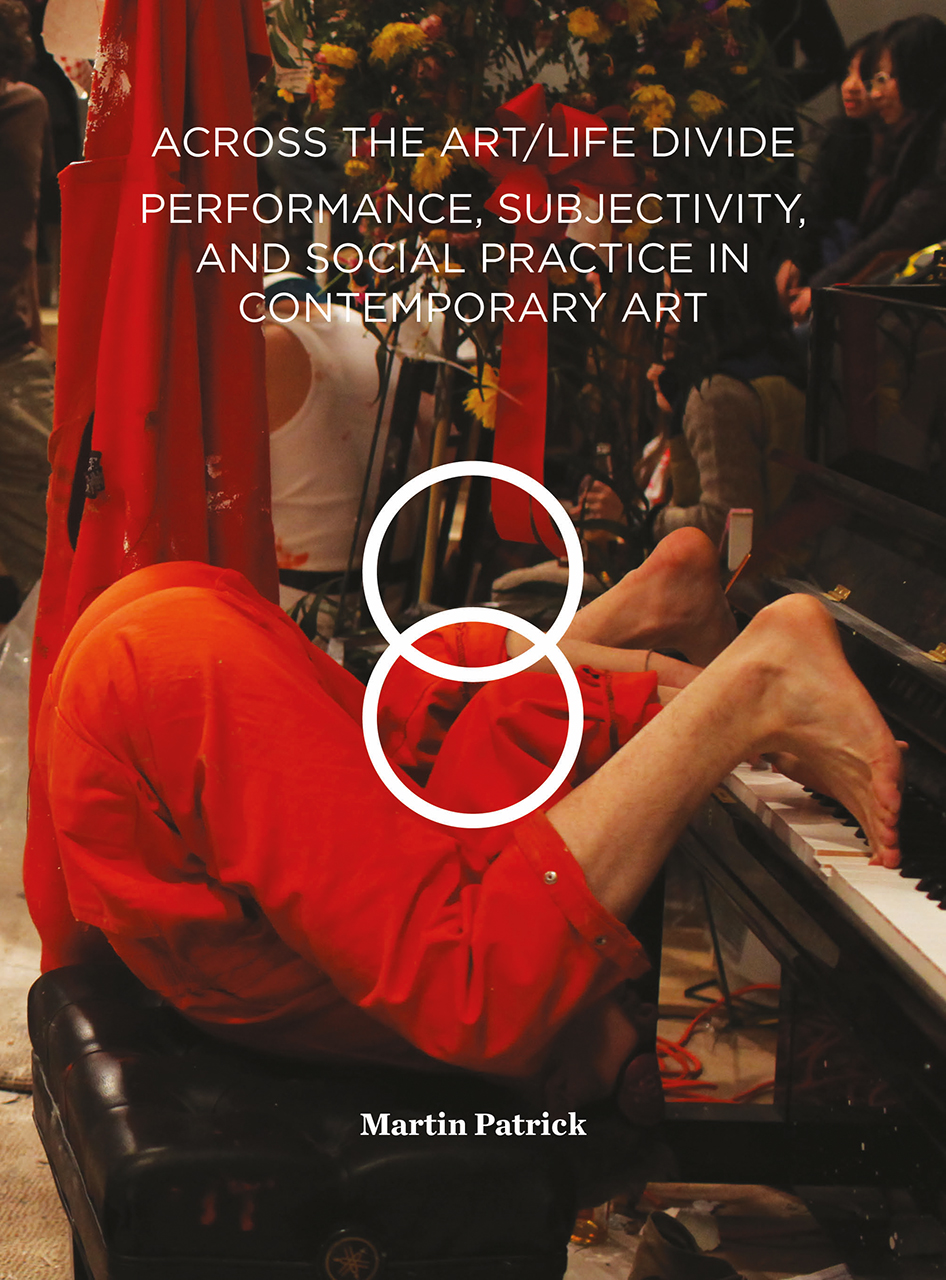
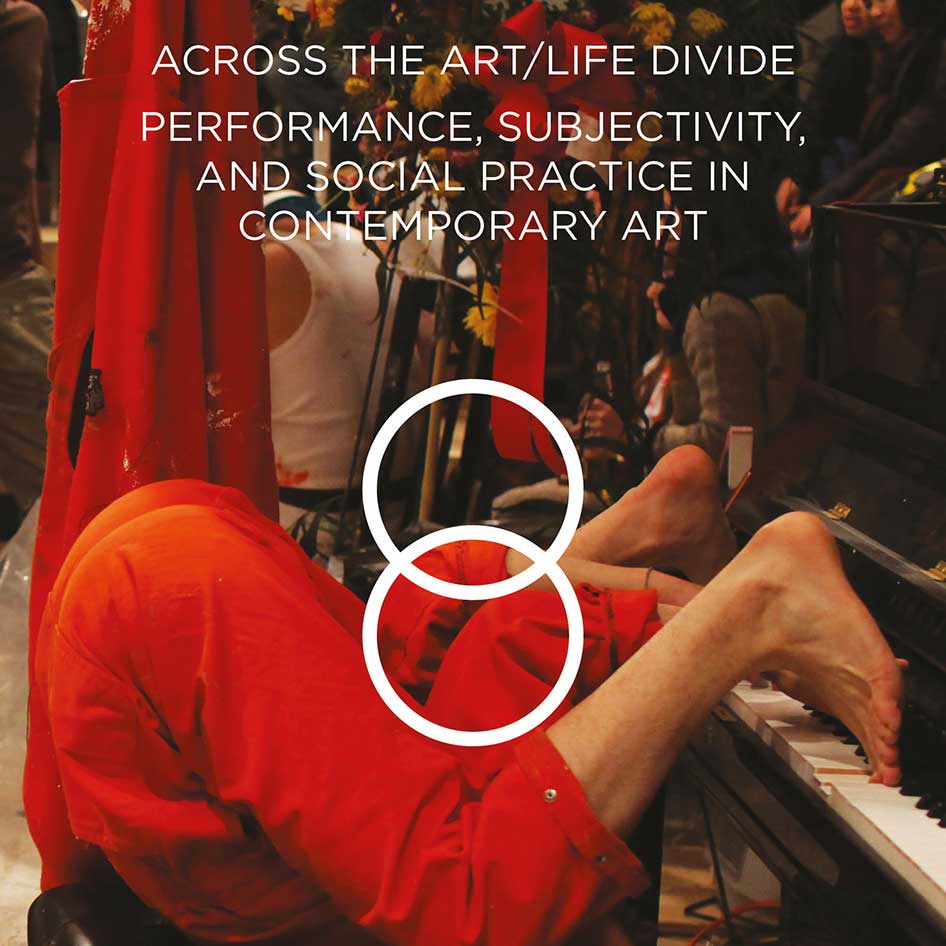
His books The Performing Observer: Essays on Contemporary Art, Performance and Photography (2023) and Across the Art/Life Divide: Performance, Subjectivity, and Social Practice in Contemporary Art (2018) are published by Intellect/University of Chicago Press. Performance theorist Amelia Jones commented on Across the Art/Life Divide that: “The book is a crucial read for anyone interested in understanding the relationship between innovations in the very concept of what art is in the contemporary period and politically motivated concerns around identity and structures of power in the art world.”


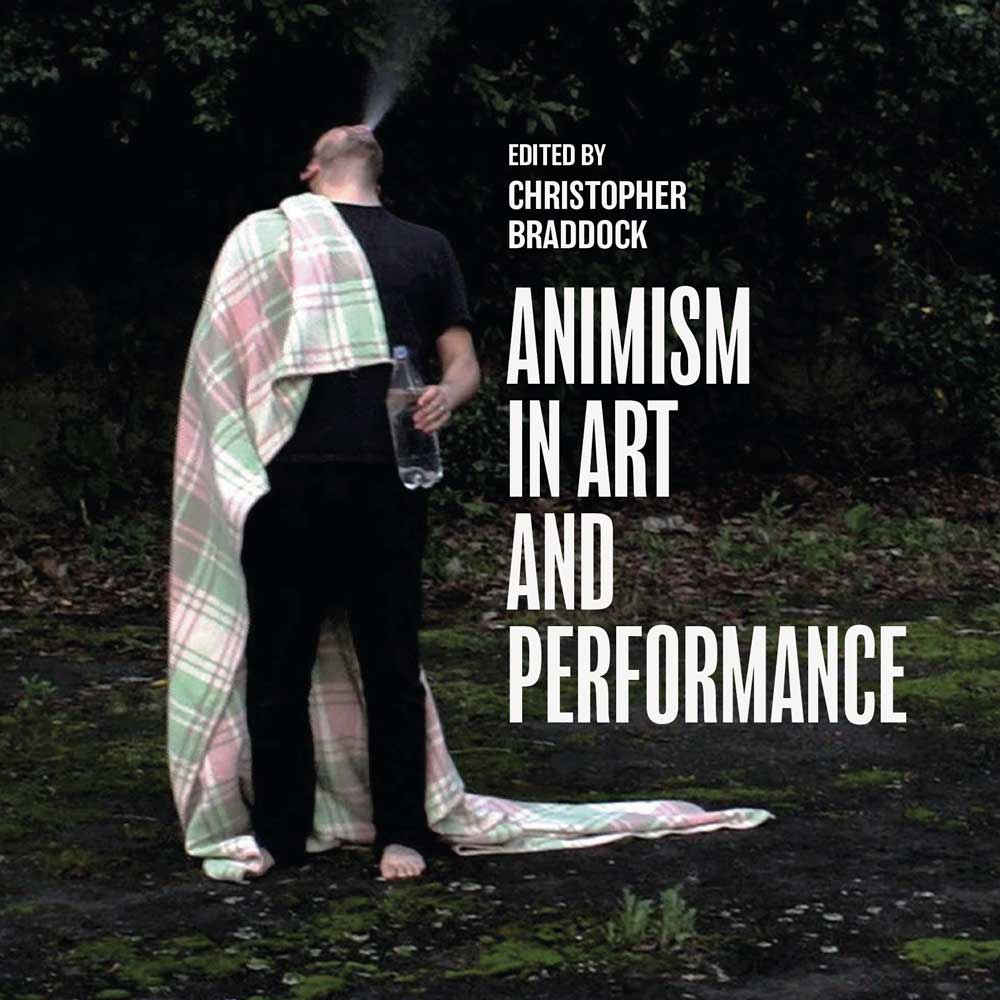
Martin contrib­uted the chapter “Exploring Posthuman Masquerade and Becoming” to Animism in Art and Performance (C. Braddock, ed., Palgrave Macmillan, London, 2017) and has edited special issues of the journals OnCurating and Drain (2021).


He has presented his work as an invited speaker and panellist at many public galleries and museums, conferences, and symposia. He is an advisory board member for several arts organizations and publications. Martin is currently completing a book on the art (non-)movement Fluxus. He is the Doctoral Coordinator for Whiti o Rehua School of Art.
 

Instagram
Linkedin

  • Expertise

    Contemporary art theory and criticism; conceptual, performance, and socially-engaged art; art and popular culture; Fluxus

  • Recent research successes

    The Performing Observer: Essays on Contemporary Art, Performance, and Photography 
    [forthcoming, 2023]

    This collection of fifty short, critical writings on contemporary art, performance, and photography analyses a wide range of global practitioners, from emerging to established artists. The result is an informed, jargon-free survey of significant developments in contemporary art and culture over the past two decades. Among the artists discussed are Francis Alÿs, Laurie Anderson, Chris Burden, William Eggleston, Cindy Sherman, and Andy Warhol. The chapters were originally published in a variety of settings, including art magazines and exhibition catalogues, online journals and websites. Approachable for a wide audience, it provides scholarly and critical depth along with an accessible writing style.


    ‘Fluxus Perspectives’
    Special Issue of OnCurating journal, co-edited with Dorothee Richter [Zürich, Switzerland, 2021]
    Although the Fluxus art (non-)movement is often read as a historical phenomenon, the breadth of its innovations and complexities actively thwarts linear and circumscribed viewpoints. The notion of Fluxus incorporates contradiction in challenging and enduringly generative ways. More than five decades after its emergence, this special issue of OnCurating entitled Fluxus Perspectives seeks to re-examine the influence, roles, and effects of Fluxus via a wide range of scholarly perspectives. The editors asked notable writers from different locations, generations, and viewpoints, all of whom having written about Fluxus before, to offer their thoughts on its significance, particularly in relation to contemporary artmaking and strategies of curating today.


    Across the Art/Life Divide: Performance, Subjectivity, and Social Practice in Contemporary Art 
    [Intellect Books/University of Chicago Press, 2017]
    This book explores the ways in which contemporary artists across media continue to reinvent art that straddles both public and private spheres. Examining the impact of various art movements on notions of performance, authorship, and identity, Across the Art/Life Divide argues that the most defining feature of contemporary art is the ongoing interest of artists in the problematic relationship between art and life. Looking at underexamined forms, such as stand-up comedy and sketch shows, alongside more traditional artistic media, he situates the work of a wide range of contemporary artists to ask: To what extent are artists presenting themselves? And does the portrayal of the “self” in art necessarily constitute authenticity? By dissecting the meta-conditions and contexts surrounding the production of art, Across the Art/Life Divide examines how ordinary, everyday life is transformed into art.

  • Qualifications

    • PhD (University of Kent at Canterbury, UK)
    • MA (State University of New York at Stony Brook, USA)
    • MFA (University of Texas at Austin, USA) 
  • Professional affiliations or service roles